


Find the source
Trace where the damage began and how far water, smoke, odor, or contamination traveled.

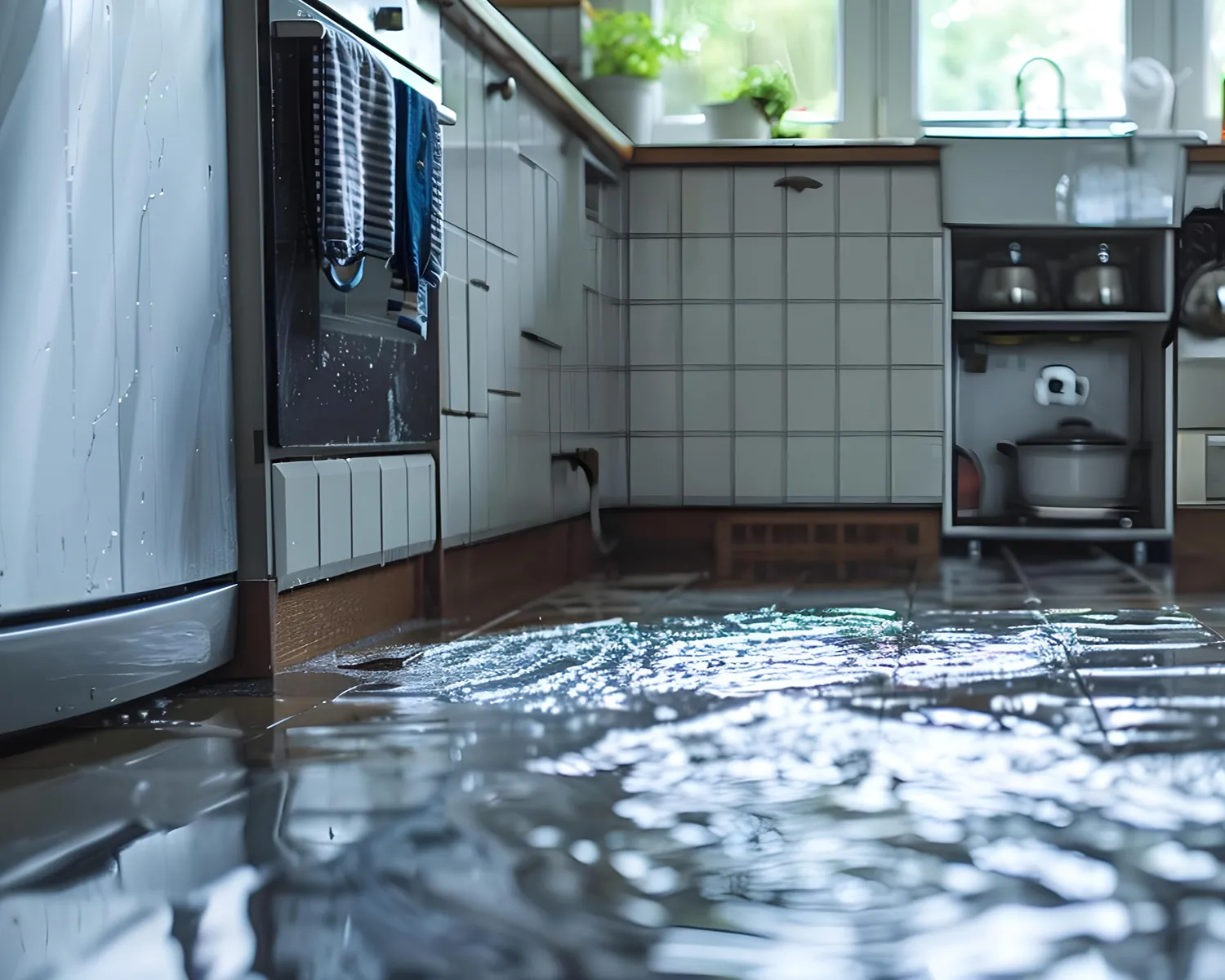
When water damage strikes, from burst pipes, flooding, appliance failures, or storms, every hour counts. Mold Hunters responds fast with advanced water extraction equipment and IICRC-certified technicians ready to stop damage before it spreads. We understand the urgency, which is why same-day service is available to get your property protected immediately.
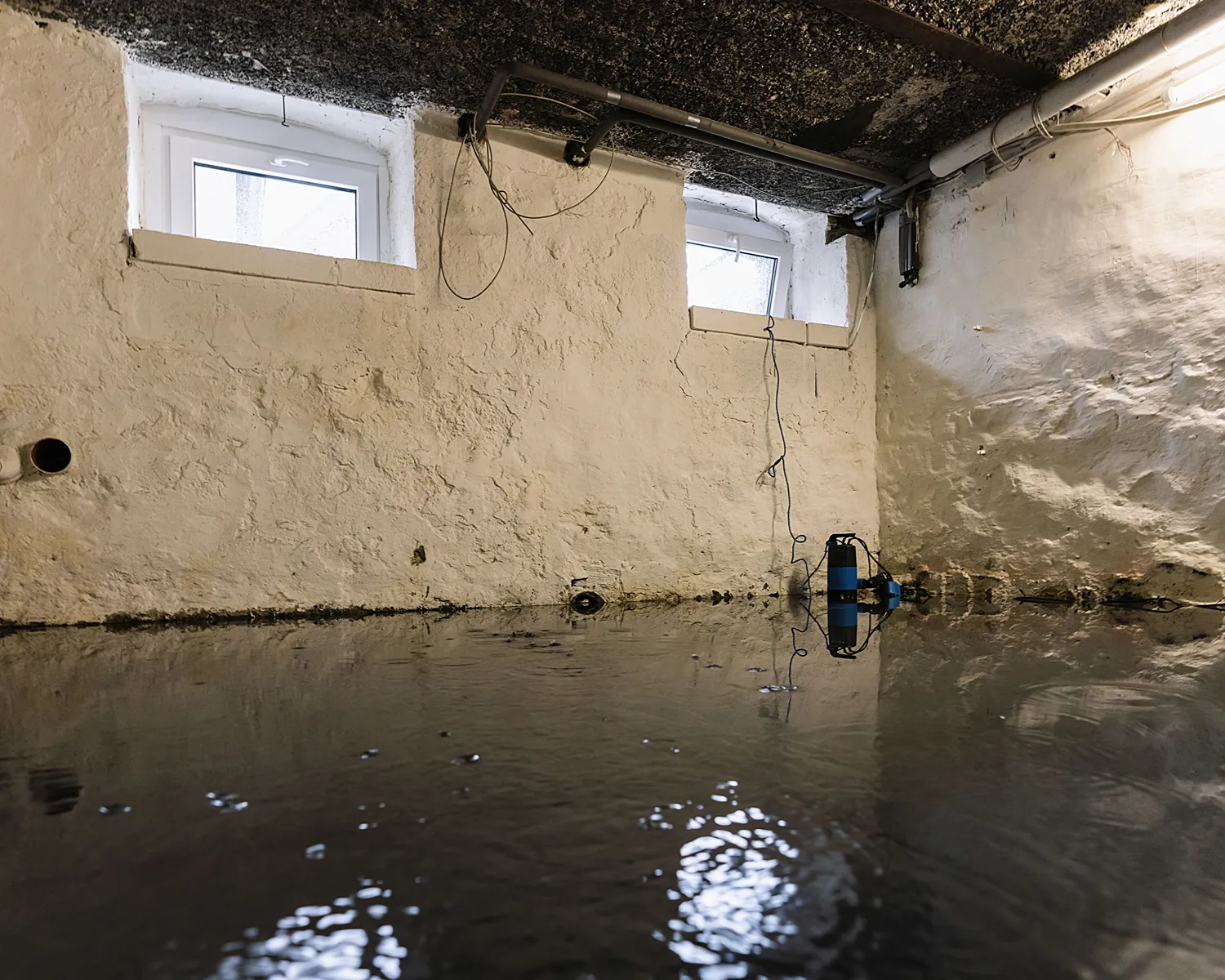
As a family-owned company with 25 years of experience, Mold Hunters has restored more than 5,000 homes from water damage. Our comprehensive water restoration services include emergency water extraction, structural drying, moisture detection, and dehumidification. We work directly with insurance companies and are committed to doing the job right: turning your disaster into a dream home again.
When disaster strikes, knowledge is power. Our expert restoration guides help Kentucky homeowners and businesses understand water damage, mold remediation, fire restoration, and emergency response. From preventing water damage to understanding the restoration process, our IICRC-certified technicians share insider knowledge to help you protect your property and make informed decisions during emergencies. Fast, reliable information when you need it most.
Explore restoration decision guides
Learn where mold remediation ends, when drywall or framing repairs begin, and what Louisville homeowners should clarify before restoration work starts.
Prepare for a Louisville mold inspection with a moisture timeline, safe photos, clear scope questions and a plan for understanding findings and next steps.
Bathroom mold keeps returning? Learn how moisture clues, tile, caulk, and drywall affect cleanup decisions and when Louisville homeowners should call for help.
Learn why smoke odor can remain after a house fire, how professionals trace and remove the source, and what Kentucky homeowners should expect.
Definitely will always be using Mold Hunters Mold Remediation for any future needs. Took care of my family and got the job done. Excellent service, wonderful people, reasonable pricing. Thanks again!
Bree FloydWe start with an inspection and water extraction, then dry and dehumidify the structure, clean and sanitize affected materials, and finish with any needed repairs. Acting fast matters because standing water leads to mold within 24 to 48 hours. Mold Hunters offers same-day response across Louisville and Kentuckiana.
Carpet cleaning only treats the surface, so moisture trapped in the pad, subfloor, and walls keeps causing damage and mold. Water damage restoration removes moisture at the source and dries the whole structure. For a flooded basement or storm damage, restoration is what protects your home.
Mold Hunters is a family-owned, IICRC-certified water damage cleanup company serving Louisville, Shepherdsville, and surrounding Kentucky and Indiana communities. We handle extraction, structural drying, and mold prevention with same-day availability.
When water soaks into drywall and insulation, the moisture gets trapped inside the wall cavity where it stays damp for days. Mold spores in the air settle there and grow, often unseen, until you notice a musty smell or staining. Fast drying is the best way to stop it.
Property emergency? We respond immediately. Our IICRC-certified technicians are available 24/7 for water damage, mold remediation, fire restoration, and other emergency situations in Louisville, Shepherdsville and nearby Kentucky and Southern Indiana counties. Call now for immediate response, or use the form for non-urgent requests.
On-site inspections start at $350. Confirm the scope and final price before scheduling. See our county service area.
(502) 531-8586Available 24/7 - Call Now
Practical Restoration Guidance
A professional restoration response is a documented process for finding the source of property damage, controlling immediate hazards, measuring affected materials, removing contamination when necessary, and drying or rebuilding the property.
For water restoration in Kentucky and Southern Indiana, the right sequence depends on the source, the materials involved, and whether occupants can remain safely in the building. Mold Hunters starts with conditions at the property, not a one-size-fits-all treatment.
Trace where the damage began and how far water, smoke, odor, or contamination traveled.
Stabilize immediate risks and set the right containment or safety controls before cleanup begins.
Document affected materials, remove what cannot be saved, then clean and dry the structure.
Confirm the area is ready, preserve the project record, and complete permanent repairs.
Safety first
Do not enter electrically energized water, disturb suspected sewage, or walk through a fire-damaged structure that has not been cleared. Follow instructions from local emergency officials.
Floodwater may contain biological or chemical hazards. Homeowners should not treat contaminated water, widespread mold, or unstable fire debris as a routine cleaning project.
A record you can follow
Good restoration work produces a record. Depending on the job, that record can include initial photographs, moisture readings, affected-material notes, equipment logs, disposal records, progress photographs, and a final walkthrough. Documentation helps the owner understand what changed and gives an insurance adjuster a clearer basis for reviewing covered work.
Verification should match the loss. Water work may require moisture readings compared with dry materials. Mold work requires source correction and a visibly clean contained area. Fire restoration may require repeated inspection for soot and odor in connected spaces.
Plain-language definitions