


Water Damage Restoration Services Explained for Homeowners

Water damage can pose significant risks to homeowners, affecting not just the structural integrity of their properties but also their health and well-being. Understanding the intricacies of water damage restoration services is essential for effective recovery. This article explores the intricacies of emergency water removal, mold remediation, and the financial implications of water damage repairs. In doing so, it provides homeowners with the knowledge to navigate these challenging situations and make informed decisions. Key topics will include immediate response steps for water damage, techniques for mold remediation, and considerations regarding costs and insurance claims.
What Are the Immediate Steps in Emergency Water Removal for Effective Restoration?
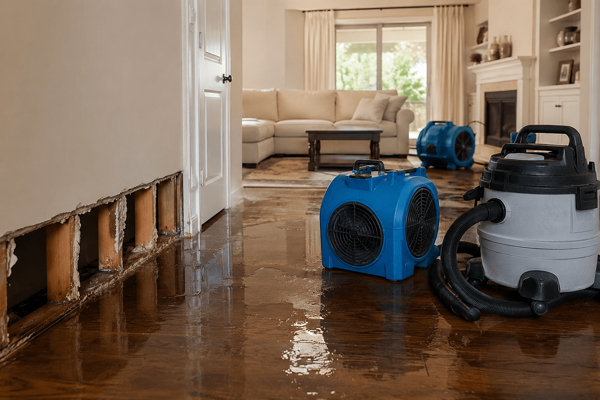
Emergency water removal is crucial in mitigating damage after a water intrusion incident. The first step involves a swift response to reduce the extent of water damage, which can escalate significantly in the hours following exposure. Understanding how to effectively extract water and dry the affected areas is key to restoring the health of the home. Following rapid water removal, drying and dehumidification should commence to prevent secondary damage, including mold growth, which can pose health risks.
How Does Rapid Water Extraction Prevent Further Property Damage?
Rapid water extraction plays a vital role in minimizing property damage. The longer water is allowed to remain in a structure, the more pervasive the damage becomes, potentially leading to mold development and structural issues. Advanced equipment, such as submersible pumps and high-efficiency dehumidifiers, is often employed to facilitate swift water removal. Additionally, maintaining a safe environment during extraction reduces the health risks associated with stagnant water, which can harbor harmful bacteria. If you suspect mold growth due to lingering moisture, seeking expert help from professionals specializing in mold remediation is crucial to safeguard your health and property.
Which Equipment and Methods Are Used in Emergency Water Removal?
The equipment and methods used in emergency water removal are critical for ensuring thorough and effective restoration. Common tools include:
- Water Extractors: These powerful devices quickly remove standing water from floors and carpets.
- Dehumidifiers: Used to reduce humidity levels and promote faster drying of materials.
- Air Movers: High-velocity fans accelerate evaporation by circulating air in affected areas.
By combining these methods, restoration professionals can efficiently restore affected zones to their pre-damage state, allowing homeowners to feel secure in the safety of their environment.
How Is Mold Remediation Conducted After Water Damage to Safeguard Health?
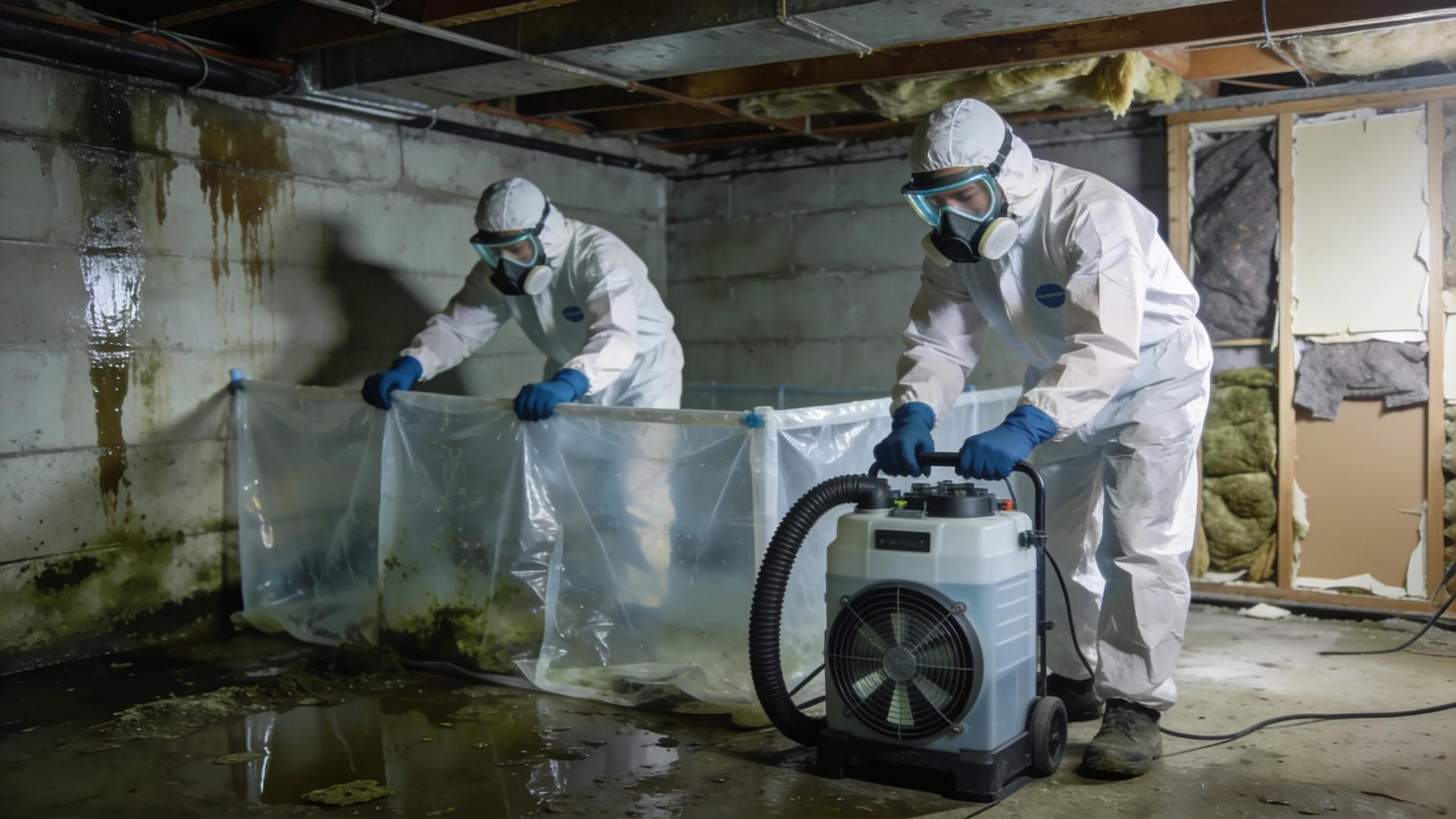
Following water damage incidents, mold remediation becomes essential in preserving the health of inhabitants. Mold thrives in damp, humid environments, making timely remediation critical. The remediation process includes identifying and containing mold growth, then removing affected materials safely.
What Are the Common Mold Types Resulting From Water Damage?
Common mold types that can develop after water damage include:
- Aspergillus: A common indoor mold that can affect respiratory health.
- Cladosporium: Often found on damp materials, known for its dark green to black appearance and potential to cause allergic reactions.
- Stachybotrys chartarum: Known as “black mold,” it produces mycotoxins that can lead to serious health issues.
Understanding these molds helps homeowners take proactive measures to safeguard their health during and after restoration efforts.
What Techniques and Safety Measures Ensure Thorough Mold Removal?
Effective mold removal techniques must incorporate thorough cleaning and safety protocols. Key practices involve:
- Containment: Sealing off the affected area to prevent the spread of mold spores.
- Proper Personal Protective Equipment (PPE): Wearing respirators, gloves, and goggles to protect against airborne spores.
- Post-Remediation Verification: Conducting clearance testing to ensure no mold remains post-removal.
By implementing these safety measures, the risk of exposure to hazardous molds can be significantly decreased, ensuring a healthier living environment.
What Are the Typical Costs and Insurance Considerations for Water Damage Repair?
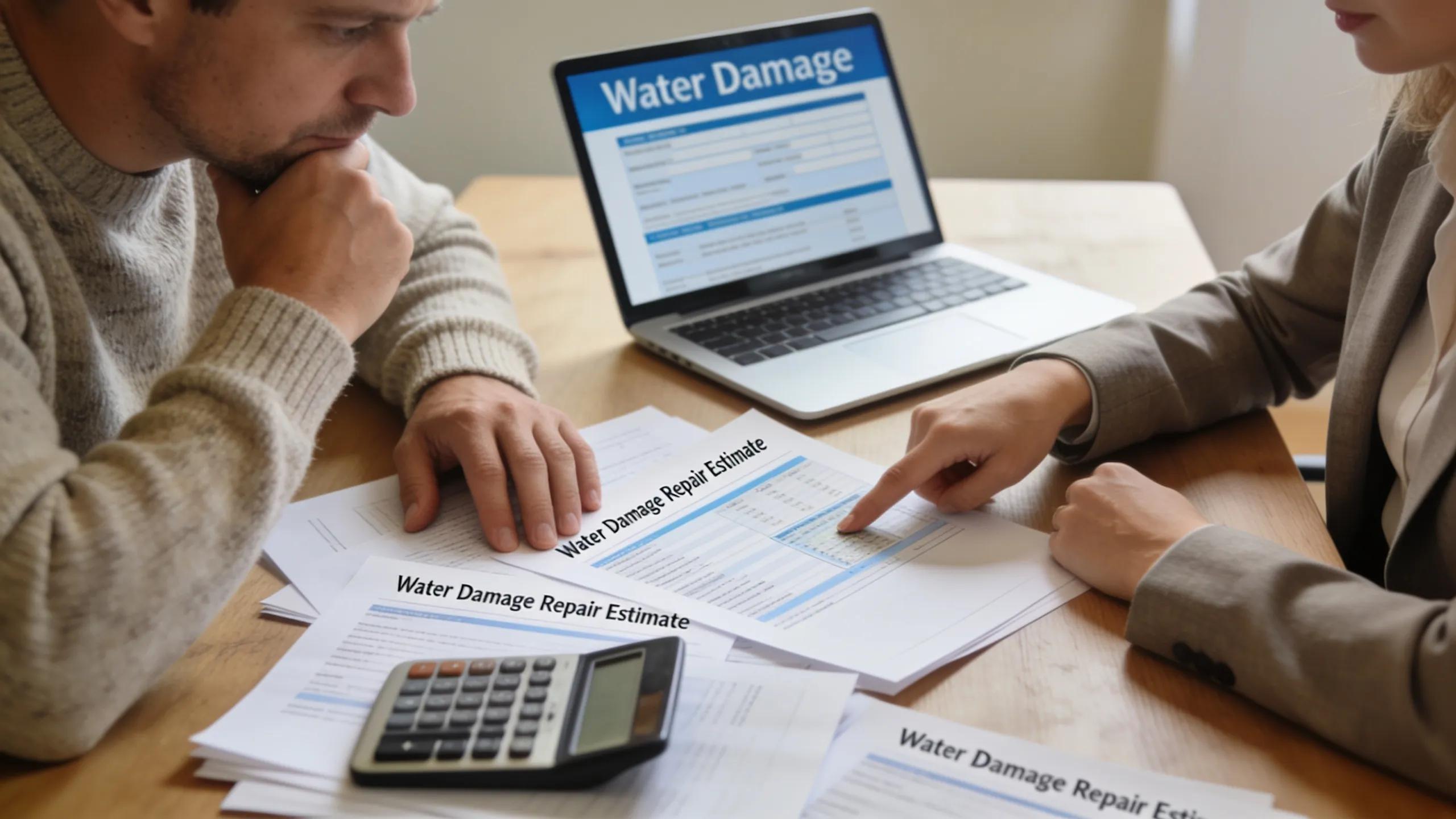
Understanding the costs associated with water damage repair is critical for homeowners. Typical expenses include emergency water removal, drying equipment rental, repairs, and mold remediation. These costs can significantly impact budgets, so homeowners must consider both immediate and long-term financial implications when addressing water damage.
Service
Average Cost
Considerations
Emergency Water Removal
$1,000 - $3,000
Costs increase with the extent of damage and response time.
Mold Remediation
$500 - $6,000
Potential for health risks informs the urgency of service.
Structural Repairs
$1,500 - $10,000
Dependent on the degree of damage and builder rates.
This table serves as a guideline for what homeowners might expect when addressing water damage concerns.
How Do Homeowners File and Track Water Damage Insurance Claims?
Filing insurance claims for water damage can be a daunting process, but understanding the steps involved can simplify this task. Homeowners should gather necessary documentation, including photographs of the damage and a detailed description of the incident. Clear communication with insurance adjusters regarding the specifics of the damage and associated costs is essential for successful claims processing.
Which Factors Influence the Estimated Cost of Basement Water Extraction and Repairs?
Numerous factors can influence the estimated costs of basement water extraction and repairs, including:
- Extent of Damage: The severity of water damage will significantly impact repair costs.
- Type of Water: Clean, grey, or black water will require different approaches, affecting overall expenses.
- Timeliness of Response: Quick action often reduces repair costs by minimizing further damage.
With these variables in mind, homeowners can better prepare for financial responsibility in the event of water damage incidents.
What Preventive Measures Can Homeowners Take to Avoid Future Water Damage?
Minimizing future water damage risk involves proactive maintenance and diligence. Homeowners can implement several preventive measures:
- Regular Home Inspections: Checking for leaks in plumbing and roofing can prevent minor issues from developing into major problems.
- Gutter Maintenance: Ensuring gutters are clear of debris can reduce the risk of overflow and subsequent flooding.
- Landscaping Considerations: Sloping yards away from the foundation can help mitigate groundwater intrusion.
These preventive steps are essential in securing a property against future water damage.
Which Flood Cleanup Tips Minimize Long-Term Restoration Needs?
When facing a flood situation, proactive cleanup measures can minimize long-term restoration requirements. Key tips include:
- Immediate Water Removal: Acting quickly to remove standing water can prevent mold growth.
- Drying Affected Areas: Use fans and dehumidifiers to expedite the drying time of materials.
- Consult Experts: Engaging professional services ensures thorough cleanup and remediation.
These guidelines help homeowners navigate the flood aftermath effectively, preserving both their property and health.
How Does Regular Moisture Inspection Reduce Mold and Water Damage Risks?
Regular moisture inspections are crucial in identifying potential problem areas before they escalate. Homeowners should consider:
- Frequency of Inspections: Conducting checks at least semi-annually, or following heavy rains.
- Tools for Moisture Detection: Utilizing moisture meters can provide insights into hidden water issues.
- Documentation for Maintenance Records: Keeping a log assists homeowners in recognizing patterns over time.
By adopting these practices, homeowners can significantly reduce the risks of mold and water damage while ensuring their property remains safe and sound.


